
Is Duck Keeping for You? The Honest Reality of Waterfowl Care
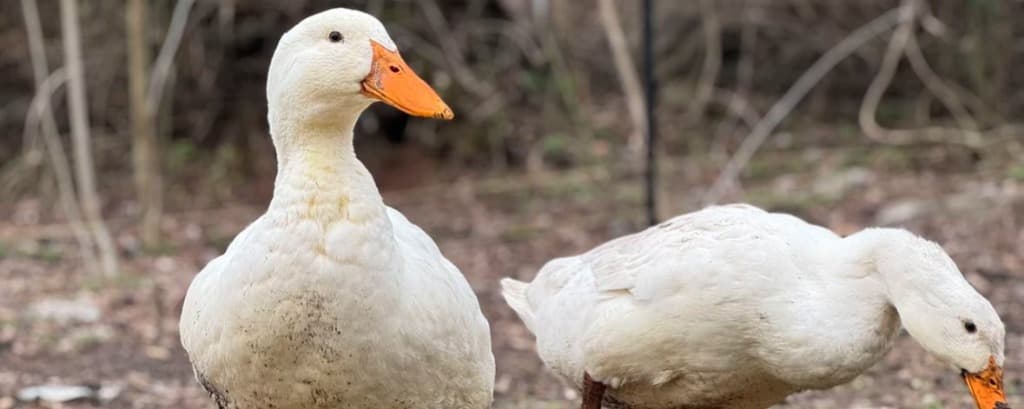
The question “Are ducks easy to care for?” is a bit of a trick. On one hand, ducks are incredibly hardy, disease-resistant, and handle cold weather better than most backyard poultry. On the other hand, they are high-maintenance in very specific ways — especially their mess and unique biological needs.
Here’s a realistic breakdown of what duck keeping actually involves.
1. Daily Life
Ducks are creatures of habit. Their day revolves around water and foraging.
- They want water first thing in the morning to clean their eyes and nostrils.
- They spend hours “drilling” into mud looking for insects, worms, and minerals.
- They preen frequently to keep their feathers waterproof.
- For the caretaker, daily work mostly means scrubbing waterers (which turn muddy within minutes) and making sure fresh, deep water is always available.
2. Flight: To Clip or Not?
Many domestic breeds are too heavy to fly well, but some remain capable.
Breeds that often need clipping (if free-ranging): Call Ducks, Crested, East Indie, Mallard, Muscovy.
Breeds that are usually too heavy to fly: Ancona, Appleyard, Aylesbury, Buff, Campbell, Cayuga, Magpie, Pekin, Rouen, Runner, Saxony, Swedish, Welsh Harlequin, and others.
Clipping one wing’s primary feathers can keep them contained, but it also removes their main defense against ground predators. In a fully secure run or aviary, clipping is often unnecessary.
3. Handling and Behavior
Never grab a duck by the neck or legs — their legs dislocate easily. Scoop them up while pinning the wings against the body, then carry them like a football with support under the chest.
During molting they look scraggly, stop laying, and become more withdrawn. In spring, drakes can become more aggressive while protecting hens.
4. Common Health Issues (Especially Feet and Legs)
- Niacin deficiency: The top issue in growing ducklings. Causes bowed legs. Prevent it with brewer’s yeast.
- Bumblefoot: A staph infection in the foot pad, often from cuts. Needs soaking and sometimes removal of the infected plug.
- Splayed (Spraddle) Leg: Happens when ducklings are raised on slippery surfaces. Soft hobbling can often correct it early.
- Frostbite: Uncommon thanks to their circulation, but possible on toes in extreme cold without dry bedding.
5. Reproductive and Structural Problems
Hens
- Egg binding (life-threatening)
- Prolapse after laying
Drakes
- Phallitis / inability to retract the penis (can become serious if untreated)
Developmental
- Angel Wing (twisted wing tip) — usually caused by a diet too high in protein and calories while the bird is growing.
6. When to Call the Vet
Ducks hide illness well. Seek help if you see:
- Lethargy or loss of interest in water/treats
- Respiratory symptoms (wheezing, nasal discharge)
- Hunched posture in a hen (possible egg binding)
- Any puncture wound
Clean water, secure housing with hardware cloth, and a niacin-rich diet prevent the large majority of problems most duck keepers encounter.
Ducks are rewarding, entertaining, and productive — but they are not low-effort. If you can handle the mess and respect their specific needs, they can be one of the most satisfying animals to keep.